
Skip to content
Nordic Life Guide
Menu
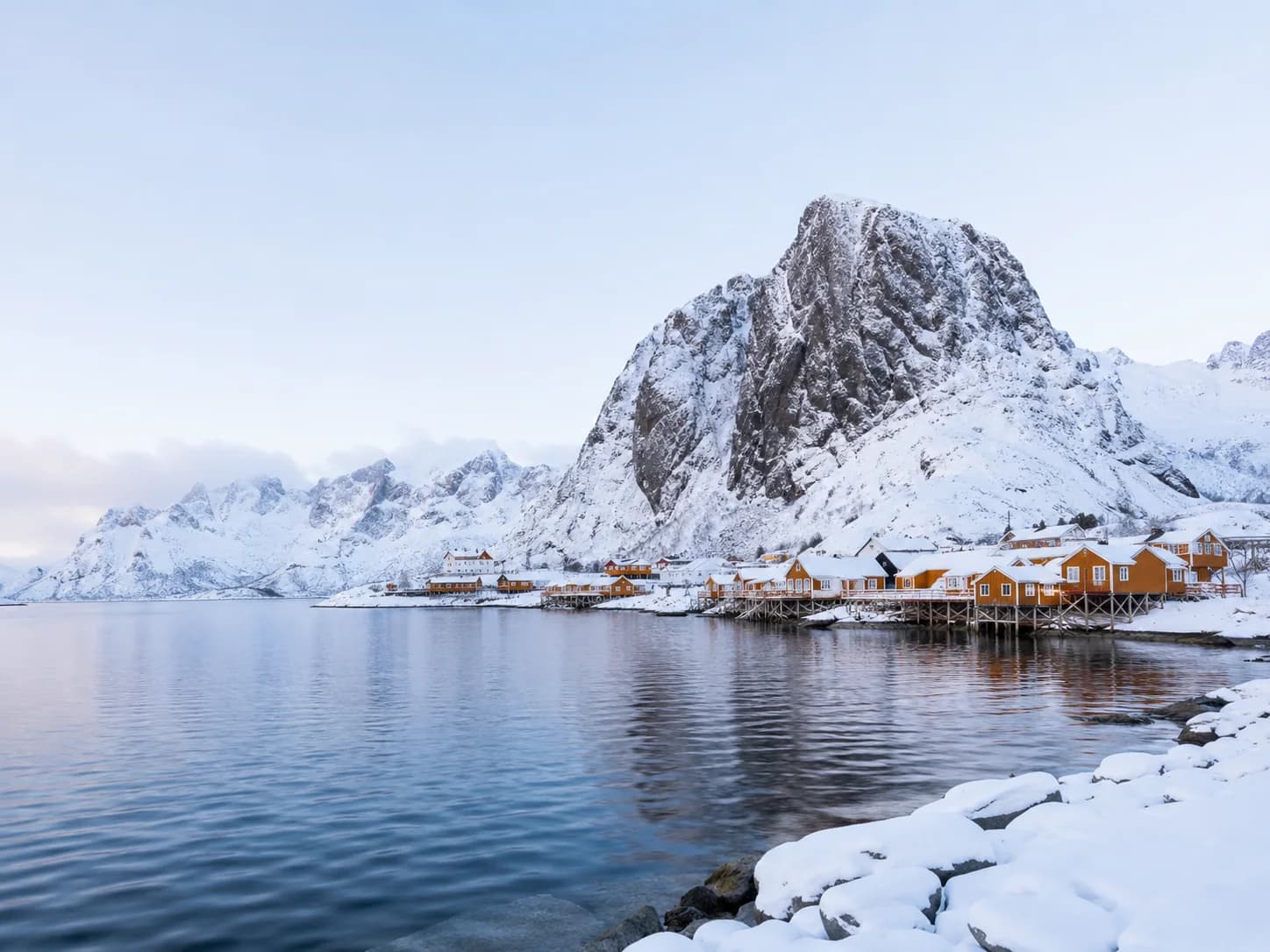
Low Arctic winter light used for Nordic daylight planning

Free Nordic planning tool

Nordic Daylight Planner: Sunrise, Sunset and Day Length

Calculate approximate sunrise, sunset and daylight for Nordic capitals and Arctic bases including Tromsø, Lofoten, Kiruna, Abisko, Rovaniemi and Ivalo.

No account requiredYour inputs start emptySource links included

Your scenario

Start with your own numbers.

Nothing is prefilled. Use figures from the job offer, home, institution, route or trip you are actually considering.

Question this tool answers

How much astronomical daylight should you expect at a Nordic city or Arctic base on a chosen date?

Daylight planning

Check Nordic sunrise, sunset and usable daylight

Choose a Nordic city or Arctic base and a date. Times are calculated astronomically and formatted in the destination time zone.

Your result

Choose a destination and date to see the daylight window.

Calculated sunrise/sunset is an approximation based on standard solar equations and atmospheric refraction assumptions. Mountains, local horizon, weather and atmospheric conditions change the observed moment. Use this for itinerary planning, not navigation or safety-critical decisions.

Inputs that matter

  • Destination
  • Travel date

What it does not prove

Sunrise and sunset are calculated approximations. Mountains, local horizon, atmospheric conditions and twilight change the light you actually experience.

Best next step

Use the result as a filter, then verify the decision in the detailed guide and current source.

Use daylight in the Nordic travel plan

After you calculate

Turn the result into a real decision.

  1. 01

    Compare two candidate dates before choosing flights.

  2. 02

    Use daylight together with weather and activity access, not as a stand-alone best-month score.

  3. 03

    For aurora travel, remember that darkness is necessary but does not guarantee clear sky or aurora activity.

FAQ

Frequently asked questions

Why are there no example values already filled in?

Example values can make a planning tool look more precise than it is. The fields start empty so the result is based on your own offer, rent, household, route or travel assumptions. Placeholders show the expected format only and are not used in the calculation.

How should I judge the result?

Sunrise and sunset are calculated approximations. Mountains, local horizon, atmospheric conditions and twilight change the light you actually experience. Use the result to compare scenarios, then verify the relevant current source or detailed guide before making a financial, immigration, study, housing or travel commitment.

Editorial method

How this guide is checked

  • Every calculation starts from user-entered inputs rather than hidden demo values.
  • Important assumptions and limitations are visible on the page.
  • Primary-source links and detailed guides are provided for verification.

Evidence and primary sources

Exact pages used for this guide

The source list records what each page was used for, the relevant data period where available and when we checked it. A broad homepage is avoided when a more specific official table or guidance page supports the claim.

NOAA Global Monitoring Laboratory — Solar Calculator

NOAA solar-calculation reference for sunrise, sunset and solar position. NOAA notes that calculated values are approximate and observed values vary with atmospheric conditions.

Used for: Methodology reference for the daylight planning tool

Data period: Reference checked 2026

Checked
2026-08-19

Read next