
Visit Norway — Northern lights ↗
Official aurora guidance for Northern Norway, including dark-season timing and the need for clear, dark sky.
Data period: Current guidance
Checked: 2026-08-19
Free Nordic planning tool
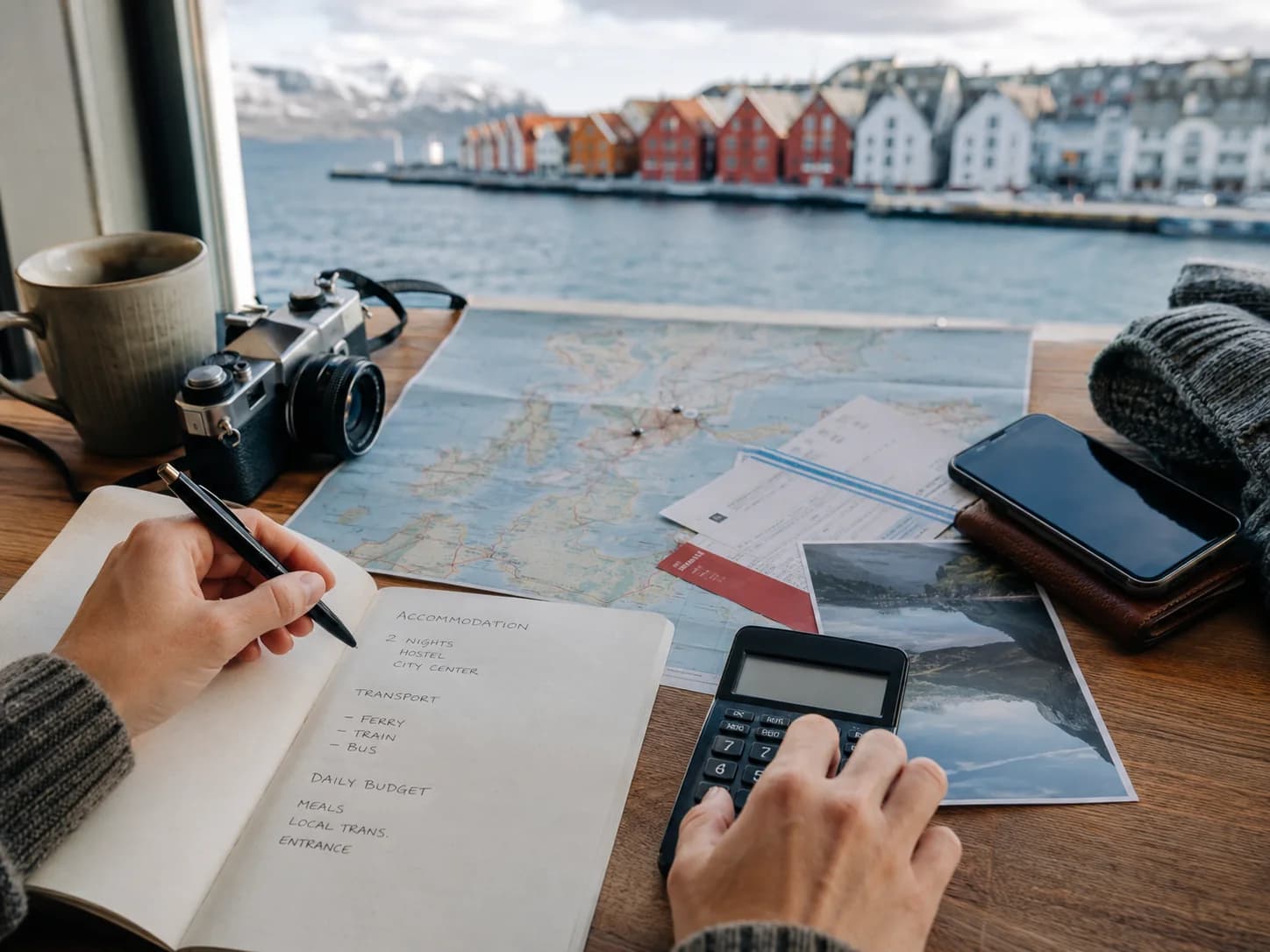
Shortlist Tromsø, Lofoten, Abisko/Kiruna, Rovaniemi, Ivalo/Inari and Iceland by month, car access, nights and trip style—without fake sighting probabilities.
Your scenario
Nothing is prefilled. Use figures from the job offer, home, institution, route or trip you are actually considering.
Question this tool answers
Which Nordic aurora base fits your month, mobility, available nights and wider trip style without pretending to predict a sighting probability?
Aurora route fit
The tool ranks trip fit from month, mobility and travel style. It does not claim a percentage chance of seeing the aurora.
Your result
Choose your month, mobility and trip style to get a shortlist.
This ranks itinerary fit only. Aurora itself is a natural phenomenon and cannot be guaranteed; local cloud, darkness and geomagnetic activity still decide visibility on the night.
Inputs that matter
What it does not prove
The result ranks itinerary fit only. Cloud, darkness and geomagnetic activity still determine visibility on a particular night.
Best next step
Use the result as a filter, then verify the decision in the detailed guide and current source.
Read the Nordic Northern Lights guide →After you calculate
01
Compare the top two bases using access and daylight.
02
Allow multiple nights when the trip is aurora-led.
03
Check live local weather and aurora information only close to the viewing night.
FAQ
Example values can make a planning tool look more precise than it is. The fields start empty so the result is based on your own offer, rent, household, route or travel assumptions. Placeholders show the expected format only and are not used in the calculation.
The result ranks itinerary fit only. Cloud, darkness and geomagnetic activity still determine visibility on a particular night. Use the result to compare scenarios, then verify the relevant current source or detailed guide before making a financial, immigration, study, housing or travel commitment.
Sources
Open the references if you need to verify a rule, statistic or date before making a decision.
Official aurora guidance for Northern Norway, including dark-season timing and the need for clear, dark sky.
Data period: Current guidance
Checked: 2026-08-19
Official Sweden tourism guidance for Kiruna, Abisko and the September–March Arctic aurora season.
Data period: Updated October 2025; current in 2026
Checked: 2026-08-19
Official Finland tourism guidance updated April 2026, describing late August to early April as the main northern aurora season and highlighting autumn/late-winter periods.
Data period: Updated April 2026
Checked: 2026-08-19
Official travel guide for Iceland.
Checked: See page date
Read next
Plan a Nordic aurora trip with realistic season windows, base selection, car/no-car options, trip length, weather flexibility and country trade-offs.
Compare the four main Nordic aurora countries by base style, access, winter driving, snow, coastal weather and what else the trip can include.
Plan a car-free aurora trip using rail, airport transfers, local excursions and walkable Arctic bases in Norway, Sweden and Finland.
Continue with this related Nordic Life Guide page.