
Northern Lights in Iceland: Season, Road-Trip Fit and No-Car Options
Plan an Iceland aurora trip by combining dark-season nights with Reykjavik excursions or a flexible self-drive route, without treating the aurora as guaranteed.
Researched and updated by Nordic Life Guide Research Desk
Quick answer
Iceland works best when the aurora is a bonus layered onto a strong daytime itinerary rather than the only reason to travel. Stay several dark-season nights, use Reykjavik tours if you do not want to drive, or keep a self-drive route flexible enough to react to cloud and road conditions.
Updated: 2026-08-19
Sources checked: 2026-08-19
What to know first
- The useful aurora window is the dark part of the year; exact visibility depends on night darkness, cloud and solar activity. Check the official weather and aurora resources close to travel.
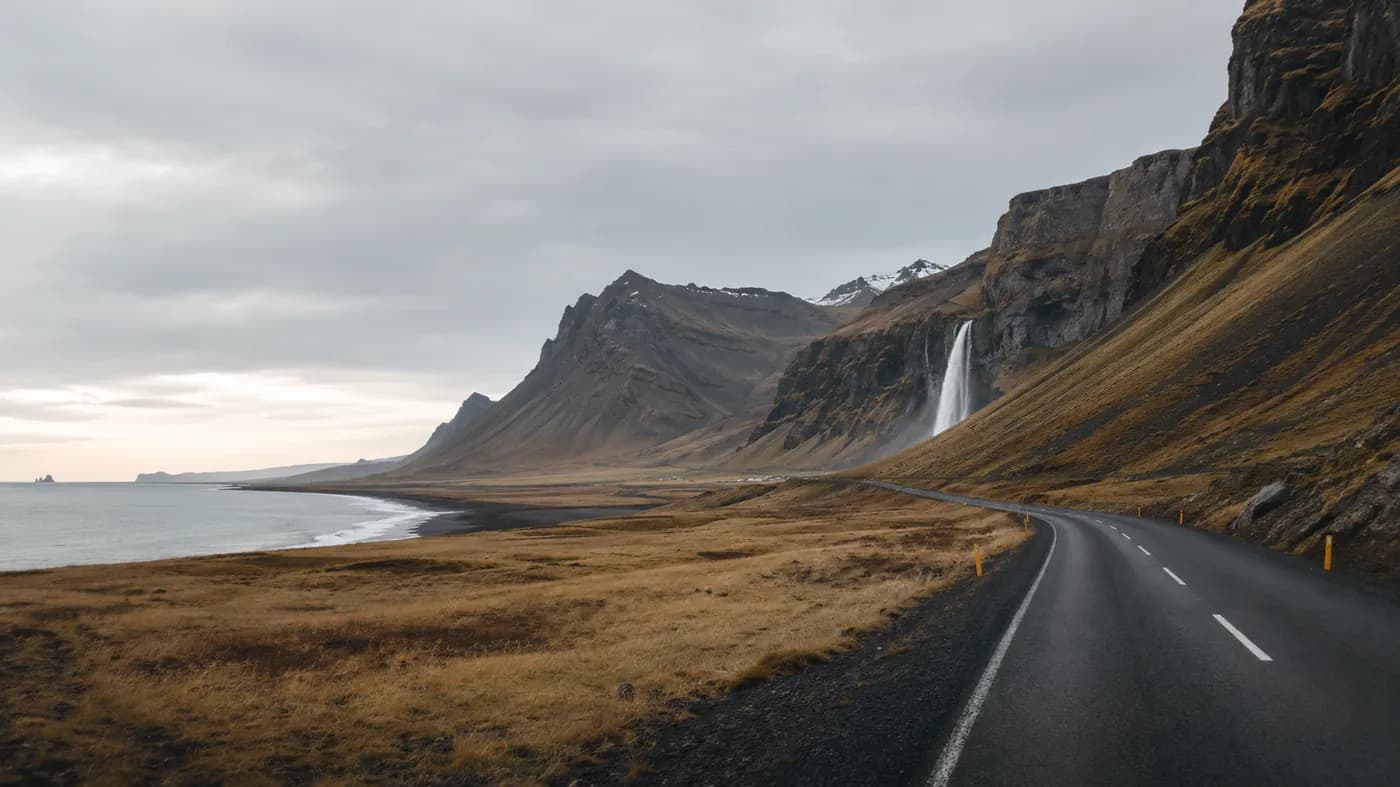
- Reykjavik is easiest for car-free excursions; rural south/west/north bases reduce light pollution and pair naturally with a road trip.
- Tours make a no-car trip straightforward. Self-driving adds flexibility but road and weather conditions in Iceland can change quickly, so road-condition checks are part of the evening decision.
- Four to seven nights is stronger than a short aurora-only weekend because Iceland's daytime landscapes preserve trip value when the sky is cloudy.
- Iceland is not automatically better than Lapland simply because rural areas are dark. Coastal cloud and wind can be decisive, and winter driving can reduce flexibility rather than increase it for inexperienced drivers.
Before you decide
Use this guide for the right situation
Who this guide is for
Travellers planning an aurora-focused Nordic trip
What it covers
Season, base, mobility, trip length and realistic viewing conditions
Also check separately
Next step: Choose a base and date window, then check daylight and trip budget.
Current official-data context
Numbers worth checking before you decide
These figures give the guide a current factual baseline. They are reference points, not promises about your personal salary, tax bill, rent or eligibility.
- 2025 price level
- 183.7 (EU=100)
Country-level household-consumption price index; not a personal budget.
Source check: 2026-08-08. Recheck official sources before making a high-stakes financial, tax or immigration decision.
When should you go for dark, usable aurora nights?
The useful aurora window is the dark part of the year; exact visibility depends on night darkness, cloud and solar activity. Check the official weather and aurora resources close to travel.
For Northern Lights in Iceland: Season, Road-Trip Fit and No-Car Options, do not treat solar activity as a booking guarantee. The practical plan is to combine the dark-season window above with the base strategy here: Reykjavik is easiest for car-free excursions; rural south/west/north bases reduce light pollution and pair naturally with a road trip. That gives you a trip that still works when a single forecast changes.
Evidence for this section: Visit Iceland ↗ · Visit Iceland — Driving in Iceland ↗
Choose the base for weather flexibility, not only latitude
Reykjavik is easiest for car-free excursions; rural south/west/north bases reduce light pollution and pair naturally with a road trip.
The base matters because this trip has a specific trade-off: Iceland is not automatically better than Lapland simply because rural areas are dark. Coastal cloud and wind can be decisive, and winter driving can reduce flexibility rather than increase it for inexperienced drivers. Choose accommodation and daytime plans that let you keep more than one evening usable instead of committing the entire trip to one remote viewpoint.
Evidence for this section: Visit Iceland ↗ · Visit Iceland — Driving in Iceland ↗
Can you do this without a car?
Tours make a no-car trip straightforward. Self-driving adds flexibility but road and weather conditions in Iceland can change quickly, so road-condition checks are part of the evening decision.
For this destination, mobility should support the viewing plan rather than become a second adventure. Pair the transport choice above with this trip-length assumption: Four to seven nights is stronger than a short aurora-only weekend because Iceland's daytime landscapes preserve trip value when the sky is cloudy. If driving would consume that buffer through winter-road stress, guided or scheduled transport is the stronger plan.
Evidence for this section: Visit Iceland ↗ · Visit Iceland — Driving in Iceland ↗
How many nights should you allow?
Four to seven nights is stronger than a short aurora-only weekend because Iceland's daytime landscapes preserve trip value when the sky is cloudy.
Budget the stay around the real base described above—Reykjavik is easiest for car-free excursions; rural south/west/north bases reduce light pollution and pair naturally with a road trip.—including transfers, warm clothing or rental gear and daytime activities. The goal is to preserve multiple usable evenings, not to spend disproportionately on one excursion that still depends on cloud.
Evidence for this section: Visit Iceland ↗ · Visit Iceland — Driving in Iceland ↗
What can still go wrong?
Iceland is not automatically better than Lapland simply because rural areas are dark. Coastal cloud and wind can be decisive, and winter driving can reduce flexibility rather than increase it for inexperienced drivers.
The sensible fallback for Northern Lights in Iceland: Season, Road-Trip Fit and No-Car Options is to protect the experience around the aurora: keep at least one evening movable, check local cloud and road information, and use tours make a no-car trip straightforward. self-driving adds flexibility but road and weather conditions in iceland can change quickly, so road-condition checks are part of the evening decision. as the practical boundary for how far you should chase conditions.
Evidence for this section: Visit Iceland ↗ · Visit Iceland — Driving in Iceland ↗
Useful tools
Try the numbers or checklist yourself.
Travel
Nordic Travel Budget Calculator
Estimate a first-pass travel budget for Norway, Denmark, Sweden, Finland or Iceland based on trip length, people and travel style.
Travel
Nordic Daylight Planner: Sunrise, Sunset and Day Length
Calculate approximate sunrise, sunset and daylight for Nordic capitals and Arctic bases including Tromsø, Lofoten, Kiruna, Abisko, Rovaniemi and Ivalo.
Travel
Northern Lights Trip Planner: Compare Nordic Aurora Bases
Shortlist Tromsø, Lofoten, Abisko/Kiruna, Rovaniemi, Ivalo/Inari and Iceland by month, car access, nights and trip style—without fake sighting probabilities.
FAQ
Frequently asked questions
Can the Northern Lights be guaranteed on a northern lights Iceland trip?
No. The useful planning advantage here is four to seven nights is stronger than a short aurora-only weekend because iceland's daytime landscapes preserve trip value when the sky is cloudy. Visibility still depends on darkness, auroral activity and local cloud, so the trip needs value beyond one promised sighting.
What season logic should I use for northern lights Iceland?
The useful aurora window is the dark part of the year; exact visibility depends on night darkness, cloud and solar activity. Check the official weather and aurora resources close to travel. Use that window together with local cloud and daylight checks rather than assuming the darkest calendar month is automatically the best-value choice.
Should I rent a car for northern lights Iceland?
Tours make a no-car trip straightforward. Self-driving adds flexibility but road and weather conditions in Iceland can change quickly, so road-condition checks are part of the evening decision. That should be the starting point; only add self-driving when you are comfortable with the local winter-road conditions and it materially improves weather flexibility.
How we check this guideSources, boundaries and update checks
- Time-sensitive rules and statistics are linked to primary or official sources where available.
- Planning guidance is kept separate from legal eligibility, live availability and personal financial advice.
- Important dates and source checks are shown so you can re-verify changing information before acting.
Sources
Official and primary references
Open the references if you need to verify a rule, statistic or date before making a decision.
View 3 sources and verification dates
Official travel guide for Iceland.
Checked: See page date
Official Iceland tourism driving guidance with links to road-condition and weather resources.
Data period: Current guidance
Checked: 2026-08-19
Official Eurostat comparison of 2025 price-level indices with EU=100.
Data period: 2025
Checked: 2026-08-12
Read next
Continue your research
Iceland Travel Budget: Trip Cost Planning Guide
Plan an Iceland travel budget with accommodation, rental car, fuel, tours, food, weather buffer and seasonal cost factors.
Northern Lights Country Comparison: Norway vs Sweden vs Finland vs Iceland
Compare the four main Nordic aurora countries by base style, access, winter driving, snow, coastal weather and what else the trip can include.
Northern Lights Without a Car: Best Nordic Bases for Car-Free Aurora Trips
Plan a car-free aurora trip using rail, airport transfers, local excursions and walkable Arctic bases in Norway, Sweden and Finland.
Nordic Road Trip Cost Calculator
Build a road-trip budget from your own rental quote, distance, fuel or EV use, accommodation, food, ferries, tolls, parking and contingency buffer.