
Best Time to See Northern Lights in the Nordic Countries
Plan the best time to see northern lights in Norway, Iceland, Finland, Sweden and other Nordic destinations by season, darkness, weather and route.
Researched and updated by Nordic Life Guide Research Desk
Quick answer
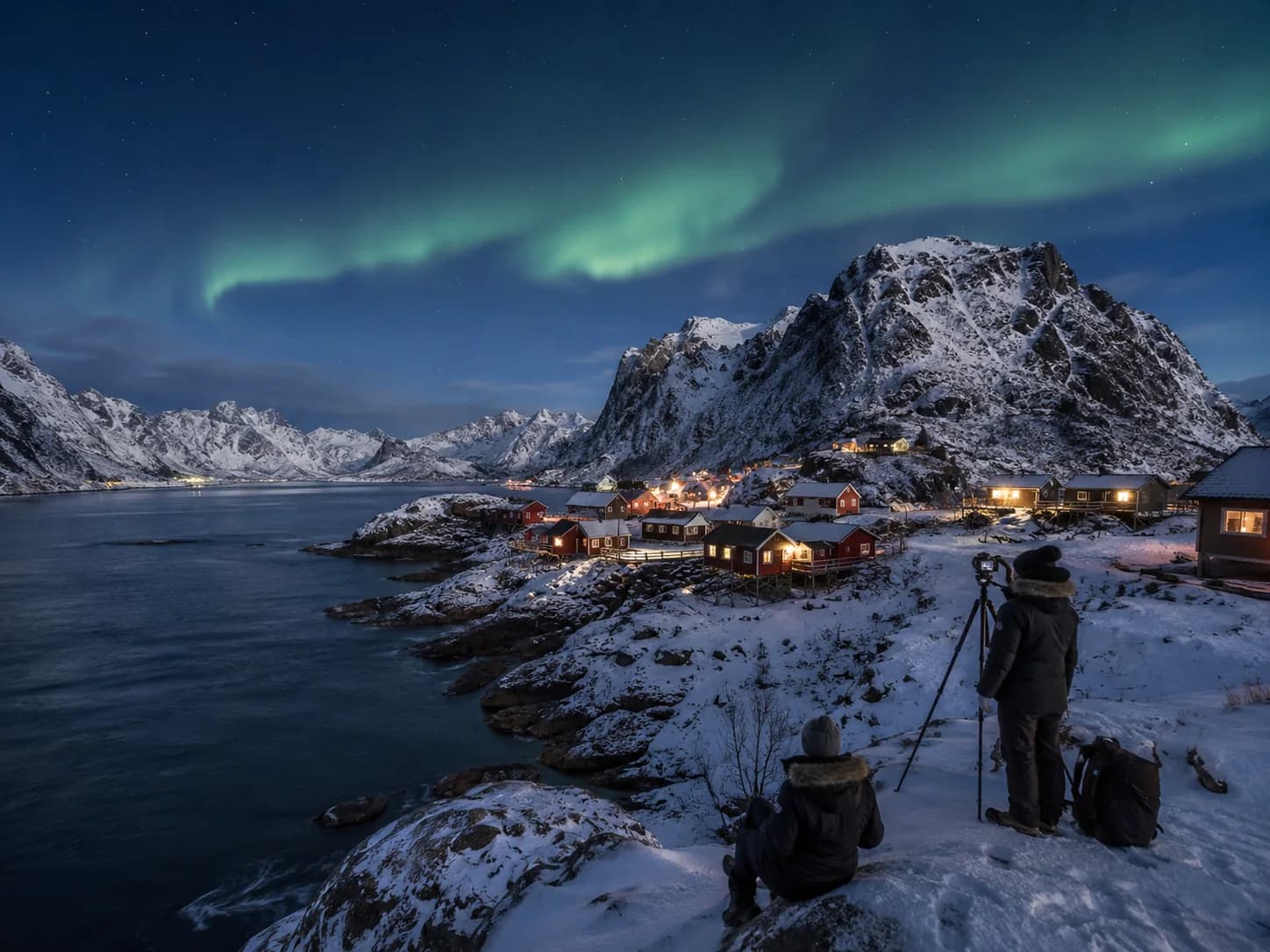
The best time to see northern lights in the Nordic region is generally during dark months, often from autumn to early spring, but visibility depends on location, darkness, weather, solar activity and light pollution. Northern Norway, Iceland, Finnish Lapland and Swedish Lapland are common planning targets.
Updated: 2026-08-18
Sources checked: 2026-08-08
What to know first
- Dark skies are essential for aurora viewing.
- Weather and cloud cover can matter as much as season.
- Northern locations usually improve chances.
- Build flexible nights into the itinerary.
Before you decide
Use this guide for the right situation
Who this guide is for
Travellers building a realistic itinerary or budget for Nordic Region.
What it covers
Covers route, season, transport, budget and the main failure points for the trip type.
Also check separately
Next step: Check live transport, weather and availability for the exact travel dates before booking non-refundable plans.
Comparable Nordic benchmark
2025 household-consumption price levels
For cross-country comparisons, a single harmonised dataset is more useful than mixing unrelated cost-of-living websites. Eurostat's 2025 price-level index sets the EU average at 100. It describes broad national consumer prices, not your personal rent or monthly budget.
| Country | Index (EU=100) | What it means |
|---|---|---|
| Finland | 126.1 | Above 100 means the broad household-consumption price level was above the EU average. |
| Sweden | 128.4 | Above 100 means the broad household-consumption price level was above the EU average. |
| Norway | 138.4 | Above 100 means the broad household-consumption price level was above the EU average. |
| Denmark | 140.2 | Above 100 means the broad household-consumption price level was above the EU average. |
| Iceland | 183.7 | Above 100 means the broad household-consumption price level was above the EU average. |
Eurostat — Comparative price levels in Europe, 2025 ↗ · 2025 reference period · checked 8 August 2026.
When is the best season for northern lights?
Northern lights need darkness, so the dark season is the main planning window. Exact visibility changes by weather, cloud cover, location and aurora activity.
Do not plan a trip with only one possible viewing night if aurora is a priority.
- Autumn
- Winter
- Early spring
- Dark sky
- Weather flexibility
Which Nordic destinations are popular for aurora trips?
Northern Norway, Iceland, Finnish Lapland and Swedish Lapland are common choices. Each has different costs, routes and weather risks.
Choose based on total trip style, not only aurora probability.
- Northern Norway
- Iceland
- Finnish Lapland
- Swedish Lapland

How should you plan a northern lights trip?
Stay several nights, reduce city light pollution, check weather, dress for winter and include daytime activities so the trip is still valuable if clouds appear.
A flexible itinerary is better than a single rigid tour.
- Several nights
- Dark location
- Weather check
- Warm clothing
- Backup activities
Choose the aurora trip from darkness, cloud risk and flexibility—not a single 'best month'
Aurora visibility needs darkness, sufficiently active solar conditions and a clear enough sky at the same time. That means a useful trip decision is not simply 'September or March?' but how many dark nights you have, whether you can move away from cloud, and whether transport/tours operate for the chosen location.
Build at least several viewing opportunities into the trip and keep one weather-flex night if the aurora is a major reason for travel. Compare Tromsø/northern Norway, Finnish or Swedish Lapland and Iceland by total trip fit—flight access, cloud/road flexibility, daylight for daytime activities and budget—not by a guarantee that one place will produce lights on a particular night.
- Darkness
- Cloud/forecast flexibility
- Several viewing nights
- Transport/road access
- Daytime trip value
Evidence for this section: Visit Norway ↗ · Visit Iceland ↗ · Visit Finland ↗ · Visit Sweden ↗
Still comparing?
Find a better country shortlist.
Use the quiz to narrow your research, then compare the result with the guides and current sources.
Useful tools
Try the numbers or checklist yourself.
Travel
Nordic Travel Budget Calculator
Estimate a first-pass travel budget for Norway, Denmark, Sweden, Finland or Iceland based on trip length, people and travel style.
Travel
Nordic Packing Checklist Generator
Build a packing checklist for Nordic travel, study or relocation by season, country and trip type.
FAQ
Frequently asked questions
Can northern lights be guaranteed?
No. Weather, darkness and solar activity all affect visibility.
Which Nordic country is best for northern lights?
Northern Norway, Iceland, Finnish Lapland and Swedish Lapland are all popular; the best choice depends on route and budget.
Is there a guaranteed best month for the northern lights?
No. Seasonal darkness creates the viewing window, but cloud and auroral activity vary night by night. Choose a dark-season trip with several viewing opportunities and enough flexibility to respond to weather.
How we check this guideSources, boundaries and update checks
- Time-sensitive rules and statistics are linked to primary or official sources where available.
- Planning guidance is kept separate from legal eligibility, live availability and personal financial advice.
- Important dates and source checks are shown so you can re-verify changing information before acting.
Sources
Official and primary references
Open the references if you need to verify a rule, statistic or date before making a decision.
View 5 sources and verification dates
Official travel guide for Norway.
Checked: See page date
Official travel guide for Iceland.
Checked: See page date
Official travel guide for Finland.
Checked: See page date
Official travel guide for Sweden.
Checked: See page date
Official Eurostat comparison of 2025 price-level indices with EU=100.
Data period: 2025
Checked: 2026-08-12
Read next
Continue your research
Norway Northern Lights Guide: Best Time, Places and Planning Tips
Plan a Norway northern lights trip with best months, places, weather flexibility, clothing, budget, tours and realistic aurora expectations.
Nordic Travel Budget Calculator
Estimate a first-pass travel budget for Norway, Denmark, Sweden, Finland or Iceland based on trip length, people and travel style.
Nordic Packing Checklist Generator
Build a packing checklist for Nordic travel, study or relocation by season, country and trip type.