
Tromsø vs Abisko vs Rovaniemi for Northern Lights: Which Base Fits Your Trip?
Compare Tromsø, Abisko and Rovaniemi for a Northern Lights trip by weather flexibility, no-car access, winter activities, daylight, trip length and budget.
Researched and updated by Nordic Life Guide Research Desk
Quick answer
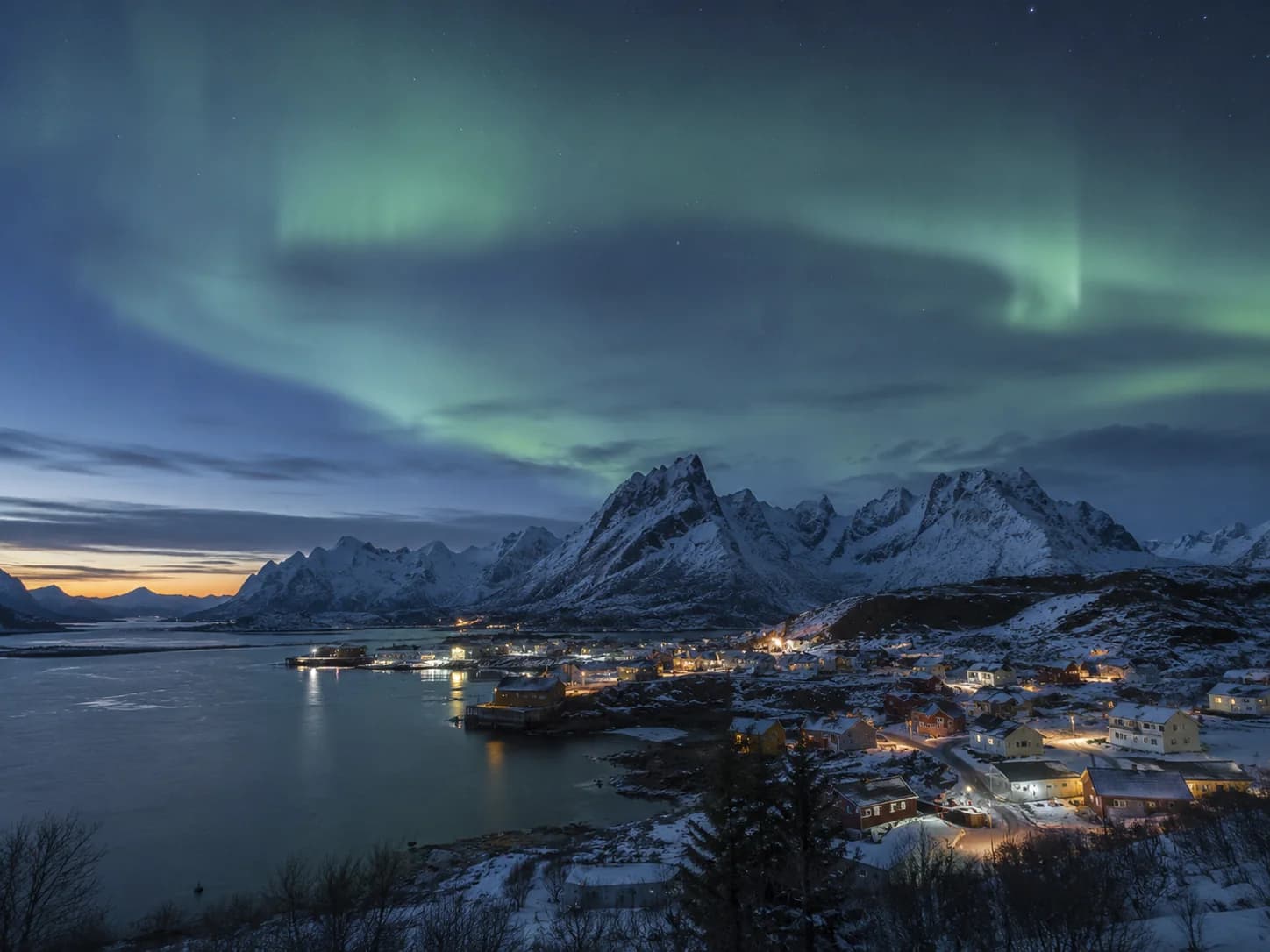
Choose Tromsø when you want the widest mix of organised aurora excursions, coastal scenery and a city base; choose Abisko when the aurora itself is the priority and you are comfortable with a smaller remote base; choose Rovaniemi when you want an easy Finnish Lapland trip with rail/flight access, family activities and aurora as one part of a broader winter holiday. None can guarantee clear sky, so the best base is the one that gives you multiple useful nights and enough daytime value if cloud blocks the aurora.
Updated: 2026-09-13
Sources checked: 2026-09-13
What to know first
- Tromsø: strongest city-plus-excursions base.
- Abisko: strongest small-base aurora focus.
- Rovaniemi: easiest broad Lapland holiday structure.
- Three or more nights is safer than a one-night aurora gamble.
- Cloud, transport and daytime plans matter as much as latitude.
Before you decide
Use this guide for the right situation
Who this guide is for
Travellers choosing a Scandinavian or Finnish Lapland Northern Lights base
What it covers
Base logistics, weather flexibility, no-car access, trip length and budget
Also check separately
Next step: Shortlist two bases, compare daylight and trip cost, then verify live transport and accommodation.
Comparable Nordic benchmark
2025 household-consumption price levels
For cross-country comparisons, a single harmonised dataset is more useful than mixing unrelated cost-of-living websites. Eurostat's 2025 price-level index sets the EU average at 100. It describes broad national consumer prices, not your personal rent or monthly budget.
| Country | Index (EU=100) | What it means |
|---|---|---|
| Finland | 126.1 | Above 100 means the broad household-consumption price level was above the EU average. |
| Sweden | 128.4 | Above 100 means the broad household-consumption price level was above the EU average. |
| Norway | 138.4 | Above 100 means the broad household-consumption price level was above the EU average. |
| Denmark | 140.2 | Above 100 means the broad household-consumption price level was above the EU average. |
| Iceland | 183.7 | Above 100 means the broad household-consumption price level was above the EU average. |
Eurostat — Comparative price levels in Europe, 2025 ↗ · 2025 reference period · checked 8 August 2026.
Choose the base from the trip you actually want
Tromsø, Abisko and Rovaniemi are all credible aurora destinations, but they solve different planning problems. Tromsø gives you a larger city, more organised excursions and coastal/mountain day trips. Abisko is a smaller destination where many travellers deliberately make the aurora the centre of the trip. Rovaniemi is easier to combine with family-friendly Lapland activities and a broader winter holiday.
The practical mistake is to rank them only by latitude. A base with better logistics, multiple nights and daytime value can produce a stronger trip than a marginally more northern location that forces expensive transfers or leaves nothing useful to do when cloud moves in.
Evidence for this section: Visit Norway — Tromsø in winter ↗ · Visit Sweden — Northern Lights in Arctic Sweden ↗ · Visit Finland — Best times to see the Northern Lights ↗
Weather flexibility matters more than a single aurora forecast
Aurora activity and local cloud are separate variables. Build the trip so you can use several evenings, change direction within a sensible radius and keep one night flexible. Tromsø's excursion market can make weather-chasing easier without self-driving; Abisko rewards travellers who are comfortable staying put in a smaller Arctic base; Rovaniemi offers a wide activity base even when one evening is lost.
Do not buy a trip around a long-range aurora forecast. Use the dark-season window, then check local cloud and short-range conditions close to the date.
Evidence for this section: Visit Norway — Northern lights ↗ · Visit Sweden — Northern Lights in Arctic Sweden ↗ · Visit Finland — Best times to see the Northern Lights ↗
Which base works best without a car?
All three can work without a rental car if you plan around transfers and organised activities. Tromsø is especially straightforward for travellers who want a city hotel and guided evening trips. Rovaniemi works well as a transport hub with local excursions. Abisko is reachable by rail, but the smaller-base experience benefits from confirming exact train times and accommodation transfers before booking.
If winter driving is not already a skill you are comfortable with, do not rent a car only because aurora photography makes remote roads look attractive. A guided excursion can be cheaper than adding rental, winter insurance, fuel and the stress of unfamiliar roads.
Evidence for this section: · Visit Sweden — Discover Sweden by Train ↗ · Visit Finland — Best times to see the Northern Lights ↗
How many nights should you allow?
Treat one night as a gamble and two nights as still fragile. Three to four nights gives the trip more resilience because cloud can erase an otherwise active aurora night. If you are travelling mainly for the Northern Lights, five nights can make sense when the daytime programme is strong enough that the holiday still feels worthwhile without a perfect display.
Use the daylight planner before booking a winter itinerary. Short daylight changes how much hiking, sightseeing or road travel fits before the evening aurora window.
Evidence for this section: Visit Norway — Northern lights ↗ · Visit Finland — Best times to see the Northern Lights ↗ · NOAA Global Monitoring Laboratory — Solar Calculator ↗
Compare the complete winter-trip budget
Compare the room, airport or rail transfer, winter clothing or rental gear, one or two paid excursions, food and contingency transport—not only the headline hotel price. A cheaper room can be a false saving if it requires taxis every evening or leaves you dependent on one expensive tour.
Run the same number of nights through the Nordic trip budget tool for all three bases. Then ask which destination still gives you a good holiday if the aurora appears only once—or not at all.
Evidence for this section: Visit Norway — Tromsø in winter ↗ · Visit Sweden — Northern Lights in Arctic Sweden ↗ · Visit Finland — Best times to see the Northern Lights ↗
Still comparing?
Find a better country shortlist.
Use the quiz to narrow your research, then compare the result with the guides and current sources.
Useful tools
Try the numbers or checklist yourself.
Travel
Nordic Travel Budget Calculator
Estimate a first-pass travel budget for Norway, Denmark, Sweden, Finland or Iceland based on trip length, people and travel style.
Travel
Nordic Daylight Planner: Sunrise, Sunset and Day Length
Calculate approximate sunrise, sunset and daylight for Nordic capitals and Arctic bases including Tromsø, Lofoten, Kiruna, Abisko, Rovaniemi and Ivalo.
Travel
Northern Lights Trip Planner: Compare Nordic Aurora Bases
Shortlist Tromsø, Lofoten, Abisko/Kiruna, Rovaniemi, Ivalo/Inari and Iceland by month, car access, nights and trip style—without fake sighting probabilities.
FAQ
Frequently asked questions
Is Abisko better than Tromsø for Northern Lights?
Abisko is a strong aurora-first choice, while Tromsø is usually stronger for city infrastructure, organised excursions and a wider daytime programme. The better base depends on whether the aurora itself or the complete winter trip is your priority.
Is Rovaniemi or Tromsø better without a car?
Both can work well without a car when you use airport transfers and guided excursions. Tromsø is very easy to structure from a city hotel; Rovaniemi is strong when you want broader Lapland activities as part of the same trip.
How many nights should I book for Northern Lights?
Three to four nights is a more resilient starting point than a one-night visit because local cloud can block an otherwise active aurora night. More nights help only if the destination also gives you useful daytime plans.
How we check this guideSources, boundaries and update checks
- Time-sensitive rules and statistics are linked to primary or official sources where available.
- Planning guidance is kept separate from legal eligibility, live availability and personal financial advice.
- Important dates and source checks are shown so you can re-verify changing information before acting.
Sources
Official and primary references
Open the references if you need to verify a rule, statistic or date before making a decision.
View 7 sources and verification dates
Official Tromsø winter guidance covering aurora, peak winter demand, rapidly changing Arctic weather and seasonal trip context.
Data period: Current guidance
Checked: 2026-08-19
Official aurora guidance for Northern Norway, including dark-season timing and the need for clear, dark sky.
Data period: Current guidance
Checked: 2026-08-19
Official Sweden tourism guidance for Kiruna, Abisko and the September–March Arctic aurora season.
Data period: Updated October 2025; current in 2026
Checked: 2026-08-19
Official Visit Sweden guidance on rail operators, major routes, sleeper services and practical train-travel planning across Sweden.
Data period: Current guidance
Checked: 2026-09-13
Official Finland tourism guidance updated April 2026, describing late August to early April as the main northern aurora season and highlighting autumn/late-winter periods.
Data period: Updated April 2026
Checked: 2026-08-19
NOAA solar-calculation reference for sunrise, sunset and solar position. NOAA notes that calculated values are approximate and observed values vary with atmospheric conditions.
Data period: Reference checked 2026
Checked: 2026-08-19
Official Eurostat comparison of 2025 price-level indices with EU=100.
Data period: 2025
Checked: 2026-08-12
Read next
Continue your research
Northern Lights Country Comparison: Norway vs Sweden vs Finland vs Iceland
Compare the four main Nordic aurora countries by base style, access, winter driving, snow, coastal weather and what else the trip can include.
Northern Lights Without a Car: Best Nordic Bases for Car-Free Aurora Trips
Plan a car-free aurora trip using rail, airport transfers, local excursions and walkable Arctic bases in Norway, Sweden and Finland.
Tromsø Northern Lights: Best Time, Trip Length and Car-Free Planning
Plan a Tromsø aurora trip with realistic season timing, polar-night context, guided transport, winter crowds and multi-night weather buffers.
Abisko Northern Lights: Season, Rail Access and How Long to Stay
Plan an Abisko aurora trip with Visit Sweden's season guidance, Kiruna connections, rail-based travel and realistic clear-sky expectations.
Rovaniemi Northern Lights: Best Time, Car-Free Planning and Realistic Odds
Plan a Rovaniemi aurora trip with rail/air access, Lapland season timing, guided mobility and the trade-off between convenience and darker bases farther north.