
Northern Lights Trip Cost: Build a Real Budget for Norway, Sweden, Finland or Iceland
Budget an aurora trip using nights, base access, winter gear, tours, food, transport and weather buffer instead of a misleading single daily price.
Researched and updated by Nordic Life Guide Research Desk
Quick answer
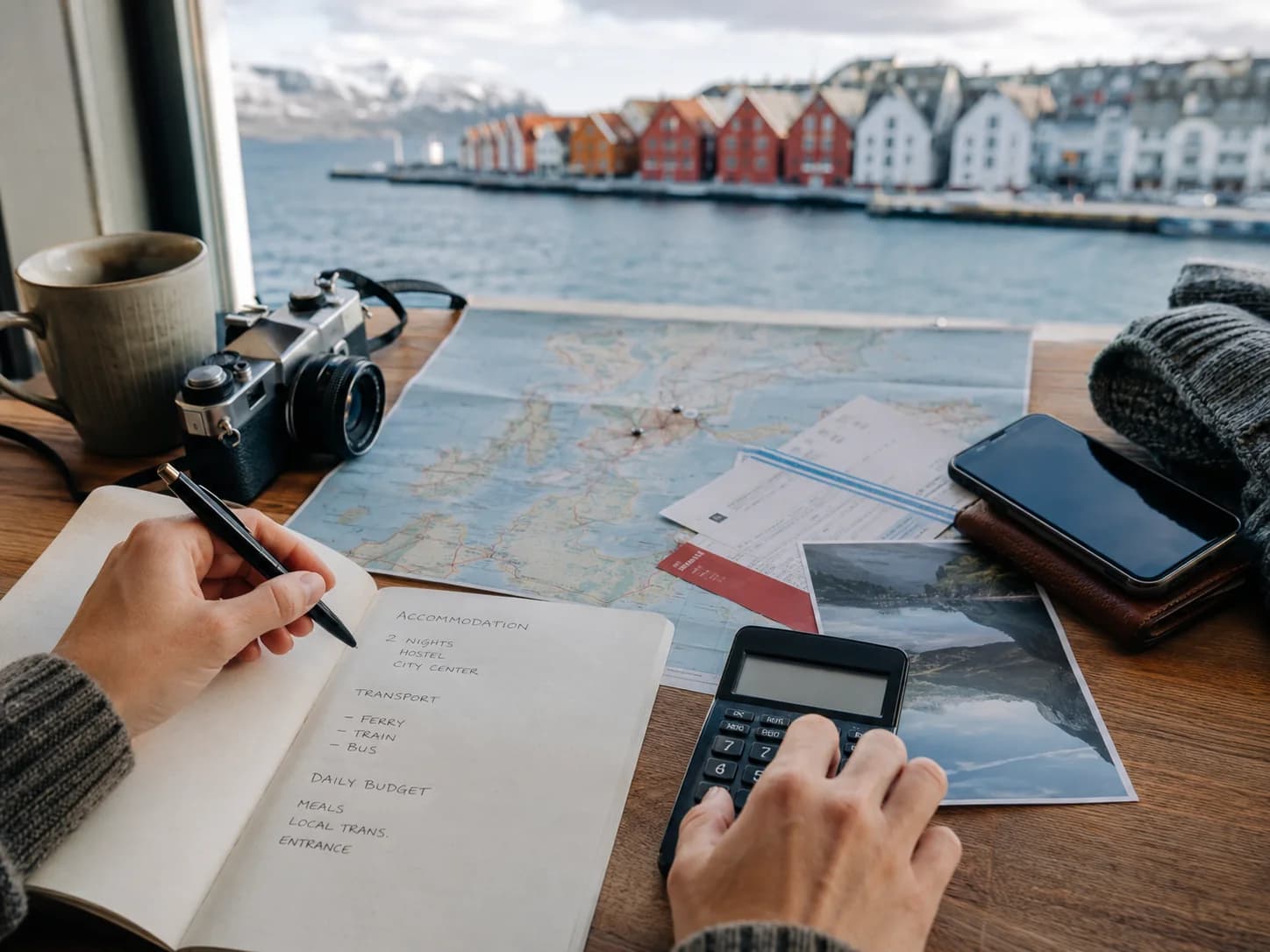
The cost of a Northern Lights trip is driven less by the aurora itself than by where you sleep, how many nights you allow, how you reach the Arctic base, whether you rent winter gear or a car, and how many guided excursions you buy. Budget at least three useful nights if the aurora is a major goal, then compare Tromsø, Abisko/Kiruna, Rovaniemi/Lapland and Iceland using the same cost categories. A one-night 'cheap' trip can be poor value because cloud can erase the only viewing chance.
Updated: 2026-09-13
Sources checked: 2026-09-13
What to know first
- Budget nights first; more dark nights improve resilience but raise accommodation cost.
- Base access can be a larger cost than the aurora tour itself.
- One guided chase plus flexible independent evenings can be more efficient than pre-booking a tour every night.
- Winter clothing, transfers and food are often omitted from headline package prices.
- Compare cost per useful night, not only cost per day.
Before you decide
Use this guide for the right situation
Who this guide is for
Travellers pricing an aurora trip to the Nordic region
What it covers
Cost categories, number of nights, tours, winter gear and budget trade-offs
Also check separately
Next step: Price the same 3–4 night scenario in two bases and compare total cost per useful night.
Comparable Nordic benchmark
2025 household-consumption price levels
For cross-country comparisons, a single harmonised dataset is more useful than mixing unrelated cost-of-living websites. Eurostat's 2025 price-level index sets the EU average at 100. It describes broad national consumer prices, not your personal rent or monthly budget.
| Country | Index (EU=100) | What it means |
|---|---|---|
| Finland | 126.1 | Above 100 means the broad household-consumption price level was above the EU average. |
| Sweden | 128.4 | Above 100 means the broad household-consumption price level was above the EU average. |
| Norway | 138.4 | Above 100 means the broad household-consumption price level was above the EU average. |
| Denmark | 140.2 | Above 100 means the broad household-consumption price level was above the EU average. |
| Iceland | 183.7 | Above 100 means the broad household-consumption price level was above the EU average. |
Eurostat — Comparative price levels in Europe, 2025 ↗ · 2025 reference period · checked 8 August 2026.
Use seven cost buckets instead of one daily number
Build the budget from: transport to the region, local/airport transfer, accommodation, food, winter clothing or rental, aurora excursions/local mobility, and a disruption buffer. Then add optional daytime activities separately. This makes country comparisons honest because a cheap room in a remote base can still require expensive transfers, while a more expensive city hotel may reduce local transport friction.
Do not include flights in a generic Nordic average. Your origin can reverse the destination ranking completely. Price the actual dates and airports, then feed those numbers into the trip budget.
Evidence for this section: Visit Norway — Northern lights ↗ · Visit Sweden — Northern Lights in Arctic Sweden ↗ · Visit Finland — Best times to see the Northern Lights ↗ · Visit Iceland ↗
Why the number of nights is the most important budget variable
Aurora visibility depends on darkness, activity and local cloud. A one-night itinerary concentrates all your travel cost into one weather gamble. Three or four nights costs more in absolute terms but can produce better value because you have multiple opportunities and can use daytime activities even if one evening fails.
Do not extend indefinitely just to chase probability. Once the destination has enough nights to be resilient, compare whether another night is worth more than a second location, a day activity or simply saving the money.
Evidence for this section: Visit Norway — Northern lights ↗ · Visit Sweden — Northern Lights in Arctic Sweden ↗ · Visit Finland — Best times to see the Northern Lights ↗
How many aurora tours should you budget for?
A guided chase can add weather knowledge, transport and local decision-making, especially in Tromsø or when you do not want to drive. But pre-booking an expensive guided tour every night is not automatically the best budget. A common balanced structure is one or two serious guided attempts plus flexible evenings from the base when conditions are already good.
In a remote lodge or small Lapland base, the accommodation location itself may be part of the viewing plan. In Reykjavík or a bright city, transport away from urban light can be a larger part of the evening cost.
Evidence for this section: Visit Norway — Northern lights ↗ · Visit Sweden — Northern Lights in Arctic Sweden ↗ · Visit Finland — Best times to see the Northern Lights ↗
Winter gear is a real trip cost
Standing outside at night is different from walking between cafés in winter. If you do not own appropriate layers, insulated footwear and gloves, budget for buying or renting them. Some excursions provide thermal suits; others do not. Check inclusions before duplicating gear expense.
Do not save on clothing by relying on short viewing windows. Comfort determines how long you can remain outside when the aurora is weak or intermittent.
Evidence for this section: Visit Norway — Tromsø in winter ↗ · Visit Finland — Best times to see the Northern Lights ↗
How to make an aurora trip cheaper without making it fragile
Choose one base rather than changing hotels every night, travel outside holiday peaks when transport/accommodation quotes support it, use rail or scheduled transfers where practical, and prioritise a kitchen or breakfast when food costs are high. Most importantly, do not cut the trip to one night merely to reach a low headline total.
Run several scenarios: three nights with one tour, four nights with one tour, and four nights with two tours. The cheapest total and the best risk-adjusted value are often different.
Evidence for this section: Visit Sweden — Discover Sweden by Train ↗ · Visit Norway — Northern lights ↗ · Visit Finland — Best times to see the Northern Lights ↗
Still comparing?
Find a better country shortlist.
Use the quiz to narrow your research, then compare the result with the guides and current sources.
Useful tools
Try the numbers or checklist yourself.
Travel
Nordic Travel Budget Calculator
Estimate a first-pass travel budget for Norway, Denmark, Sweden, Finland or Iceland based on trip length, people and travel style.
Travel
Nordic Daylight Planner: Sunrise, Sunset and Day Length
Calculate approximate sunrise, sunset and daylight for Nordic capitals and Arctic bases including Tromsø, Lofoten, Kiruna, Abisko, Rovaniemi and Ivalo.
Travel
Northern Lights Trip Planner: Compare Nordic Aurora Bases
Shortlist Tromsø, Lofoten, Abisko/Kiruna, Rovaniemi, Ivalo/Inari and Iceland by month, car access, nights and trip style—without fake sighting probabilities.
FAQ
Frequently asked questions
How much does a Northern Lights trip cost?
There is no reliable universal figure because flights, accommodation and winter logistics vary enormously by origin and date. Build the budget from transport, nights, food, gear, local mobility and tours, then compare destinations with identical assumptions.
How many nights should I budget for Northern Lights?
Three to four useful nights is a more resilient starting point than one night when the aurora is a major goal. It gives local cloud more chances to clear without turning the whole holiday into an open-ended chase.
Can I see the Northern Lights on a budget?
Yes, especially by using one base, limiting paid tours, travelling with appropriate gear and avoiding unnecessary hotel changes. Do not reduce the trip to one viewing night solely to make the total look cheaper.
How we check this guideSources, boundaries and update checks
- Time-sensitive rules and statistics are linked to primary or official sources where available.
- Planning guidance is kept separate from legal eligibility, live availability and personal financial advice.
- Important dates and source checks are shown so you can re-verify changing information before acting.
Sources
Official and primary references
Open the references if you need to verify a rule, statistic or date before making a decision.
View 7 sources and verification dates
Official aurora guidance for Northern Norway, including dark-season timing and the need for clear, dark sky.
Data period: Current guidance
Checked: 2026-08-19
Official Tromsø winter guidance covering aurora, peak winter demand, rapidly changing Arctic weather and seasonal trip context.
Data period: Current guidance
Checked: 2026-08-19
Official Sweden tourism guidance for Kiruna, Abisko and the September–March Arctic aurora season.
Data period: Updated October 2025; current in 2026
Checked: 2026-08-19
Official Visit Sweden guidance on rail operators, major routes, sleeper services and practical train-travel planning across Sweden.
Data period: Current guidance
Checked: 2026-09-13
Official Finland tourism guidance updated April 2026, describing late August to early April as the main northern aurora season and highlighting autumn/late-winter periods.
Data period: Updated April 2026
Checked: 2026-08-19
Official travel guide for Iceland.
Checked: See page date
Official Eurostat comparison of 2025 price-level indices with EU=100.
Data period: 2025
Checked: 2026-08-12
Read next
Continue your research
Nordic Northern Lights Guide: Plan Norway, Sweden, Finland or Iceland
Plan a Nordic aurora trip with realistic season windows, base selection, car/no-car options, trip length, weather flexibility and country trade-offs.
Northern Lights Country Comparison: Norway vs Sweden vs Finland vs Iceland
Compare the four main Nordic aurora countries by base style, access, winter driving, snow, coastal weather and what else the trip can include.
Tromsø vs Abisko vs Rovaniemi for Northern Lights: Which Base Fits Your Trip?
Compare Tromsø, Abisko and Rovaniemi for a Northern Lights trip by weather flexibility, no-car access, winter activities, daylight, trip length and budget.
Northern Lights Without a Car: Best Nordic Bases for Car-Free Aurora Trips
Plan a car-free aurora trip using rail, airport transfers, local excursions and walkable Arctic bases in Norway, Sweden and Finland.